



Play, screens and winding down
A parent’s perspective on helping children balance all three during the holidays
Parent, Rachel shares the important things she’s learned about balancing her children’s playtime, downtime and screentime.
As a working mum of two (one very determined teen and one energetic primary-schooler), the run-up to the summer holidays always feels like a mix of excitement and impending chaos. On one hand, we look forward to the break and opportunities for playful adventures… on the other, the thought of balancing fun, affordable activities, limiting screen-use and minimising boredom and bickering can induce a cold sweat.
Over time, I’ve realised that all these things are inevitable. The fun, friction, frayed patience are all completely normal! The key is finding a balance. Like the lesson of Goldielocks and the three bears – not too much of one thing over another but getting it ‘just right’ for our family.
Getting everyone involved
One thing that’s made a big difference for us is getting the children to help plan activities. Rather than me feeling responsible for filling every day, we sit down at the start of the holidays and create a simple wish list of things to do.
We don’t aim for anything fancy – just activities they’d like to do over the next few weeks. It might include going to the beach, making crafts, having a pyjamas-and-films day, a nature walk, baking, or a picnic in the park. It also helps to set a couple of ground rules to keep expectations realistic.
For my teenager, having a say builds independence and helps balance activity and downtime. For my younger child, it creates excitement and ownership. Not everything gets done, and that’s fine – it provides some structure without feeling rigid.
Letting play be simple
One of my biggest lessons has been that children don’t need elaborate plans to have fun. In the past, I’ve felt pressure to organise trips or spend money to keep them entertained, but some of their favourite moments come from simple, low-cost activities.
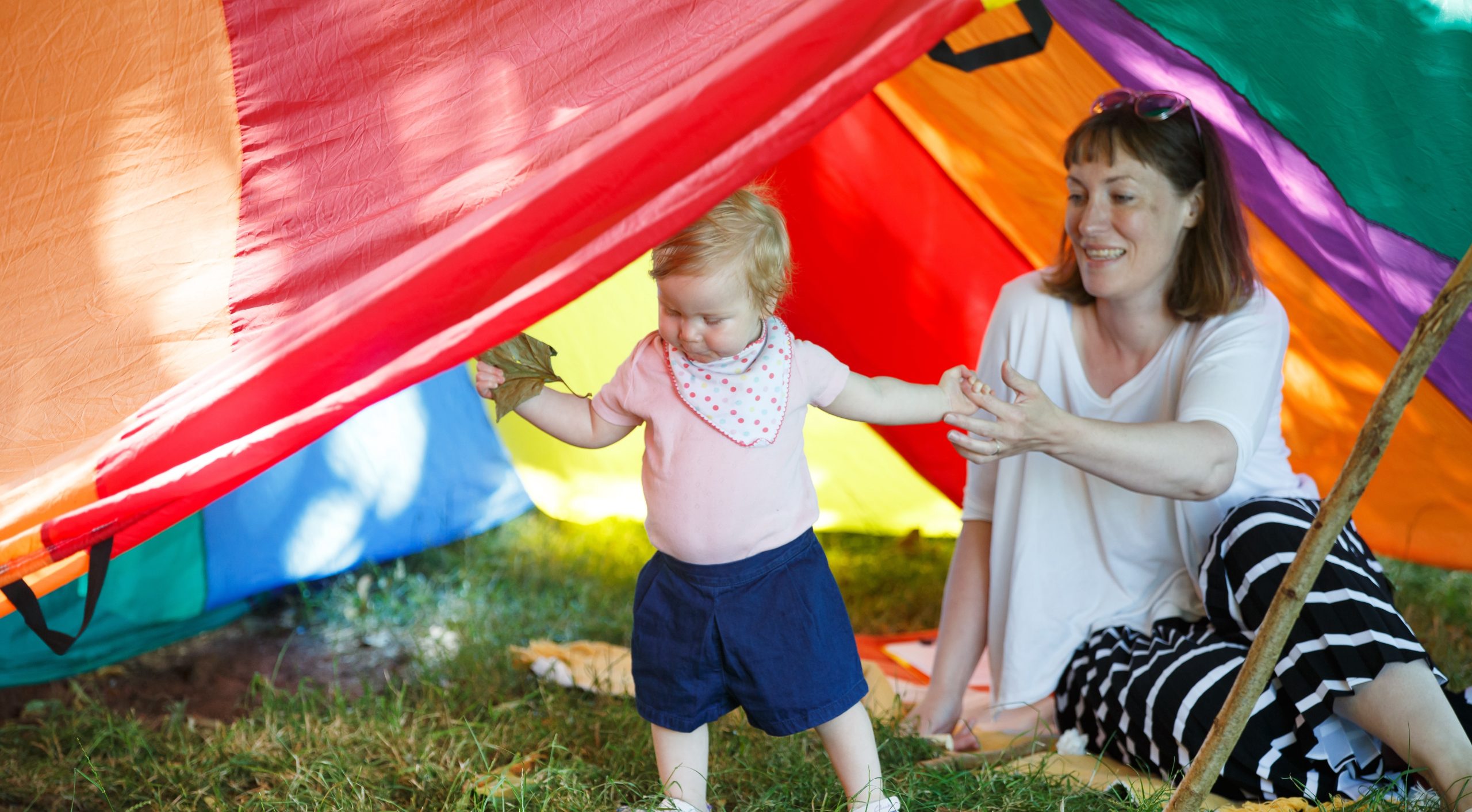
For my younger child, this means imaginative play, such as building dens, creating dance or gymnastics routines, or doing crafts with what we already have around the house. My teenager may be ‘too old’ for some of that but still enjoys cooking, playing games, and meeting friends at the park.
Some of our go-to ideas:
- Scavenger hunts
- Library visits (free, and great on rainy days)
- Making play dough or baking
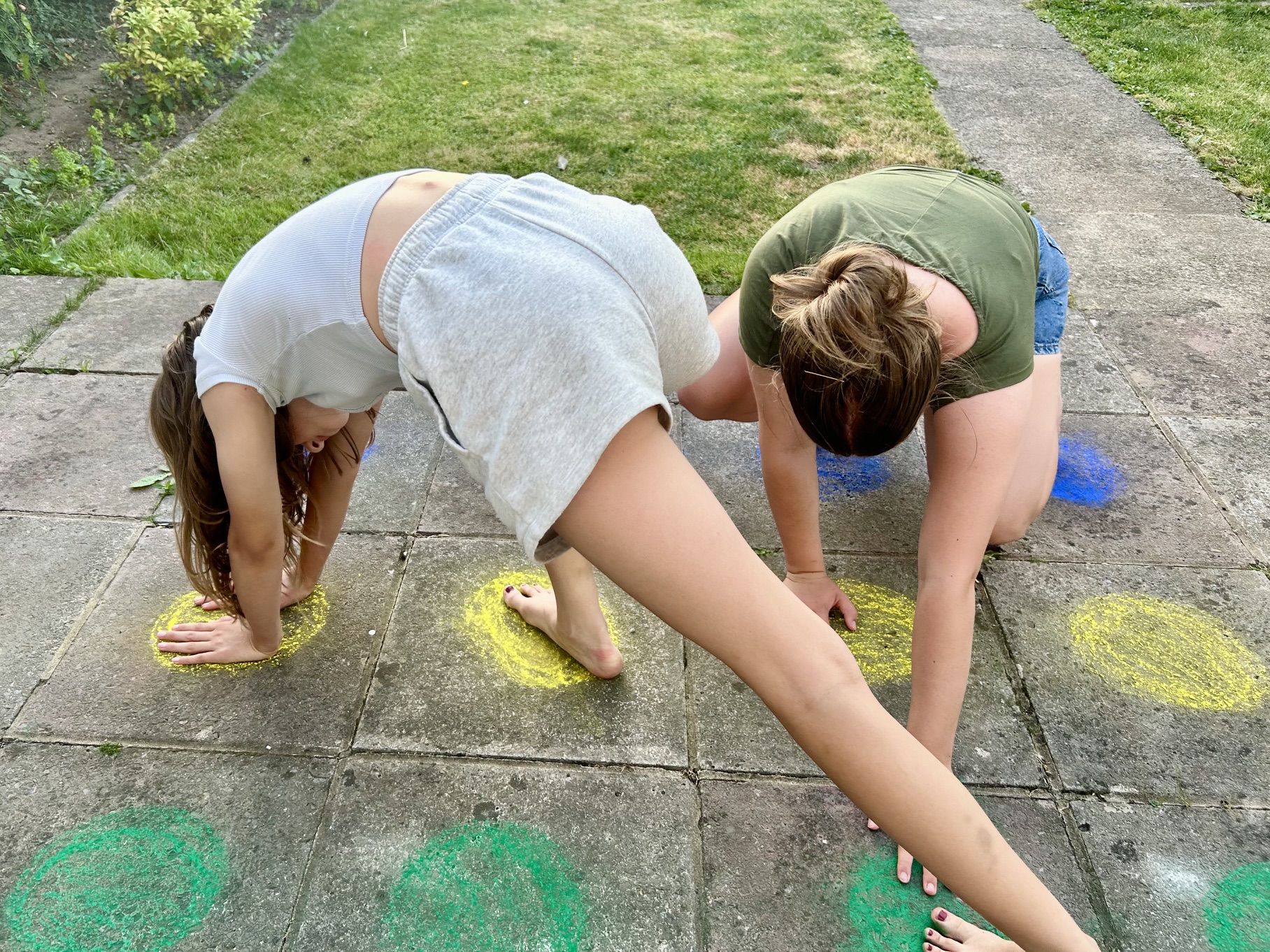
- Water fights in the garden.
Having a few ideas ready helps avoid immediately turning to screens.
Finding a healthy screen balance
Screens aren’t the enemy in our house, but they do need boundaries. We try to set clear, realistic limits and be consistent. Screens usually stay off in the morning until everyone is dressed and fed, and we keep parts of the day screen-light, including mealtimes and before bed.
We also encourage more intentional screen use, such as:
- watching a film together
- playing games online with friends
- phone photography walks
- creative apps for playing music, drawing or dance routines.
It’s not about removing screens but making sure they don’t crowd out everything else.
A little structure goes a long way – and remembering the importance of downtime
Another key lesson I’ve learned is that not every moment needs to be filled. Holidays can feel exhausting if we try to keep children constantly busy.
Downtime matters just as much as activity. Both my children need space to rest, daydream or do nothing. What looks like boredom often turns into creativity if given time.
Nonetheless, we do try to keep a bit of routine. The children don’t need constant supervision, but too much unstructured time can lead to frustration, so we keep a loose rhythm:
- Morning – get up, eat, get dressed (screens later)
- Midday – play activities, usually outdoors
- Afternoon – more relaxed (including screens).
Finding your own balance
Finally, balance doesn’t look the same every day. Some days will be full of outdoor play, others will lean on screens – especially when the Welsh weather turns, and that’s okay.
The goal isn’t perfection, but a rhythm that includes playtime, movement, rest, connection and a bit of screen time. By keeping things simple and allowing space for downtime, the holidays feel less like a juggling act and more like what they should be: a chance to play, relax and recharge together.