



The benefits of play in the early years
We can all remember how amazing it felt to play as a child. Through play, our imaginations could run wild. We could be whoever we wanted to be, we explored everything, and we could create and build things with just about anything we could find. Play was how we had fun, and it was one of the times we could do whatever we wanted to do.
Now, we know that play is not just how children enjoy childhood, it is critical to their health, wellbeing and development. Despite this, children’s freedom to play has declined in recent years. This has happened because of things like safety concerns, badly designed public space, and the rise of digital technology.
That is why it is important to prioritise play. This starts with understanding more about why play is important for children, particularly in the early years.
Why play is important for younger children
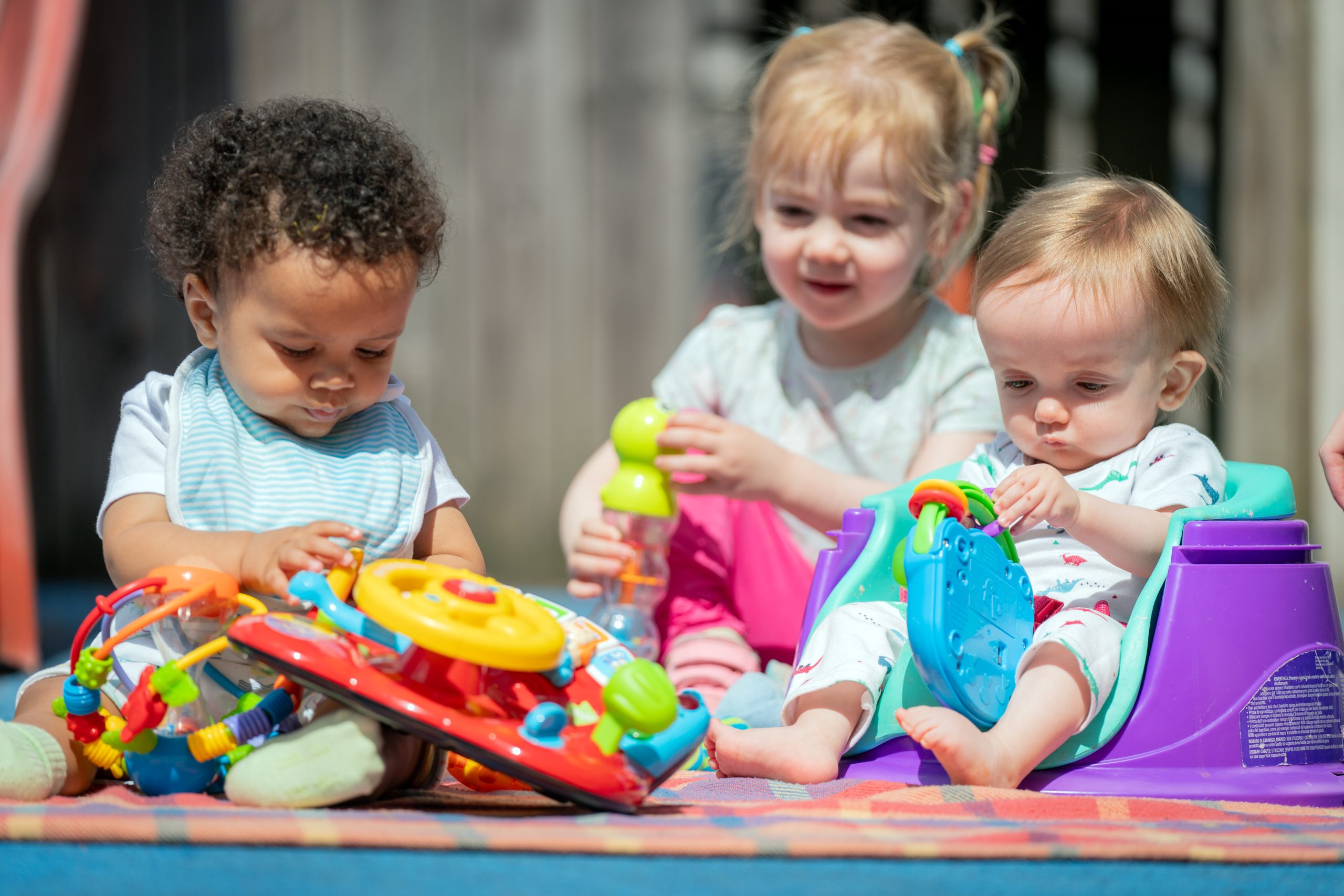
Play is beneficial for all children. From the earliest days, and even before birth, children engage in forms of play. The playful kicks a baby makes in the womb, the cooing and babbling sounds, and the simple introduction of peek-a-boo are all playful moments. These activities are entertaining and fun – and they are how children start to develop a wide-range of skills.
For babies, toddlers and young children, the benefits of play include:
- Learning and brain development: play supports learning and brain development, which is particularly important during the early years. When they play, children solve problems, learn new words, practice skills, discover ideas and explore how things work.
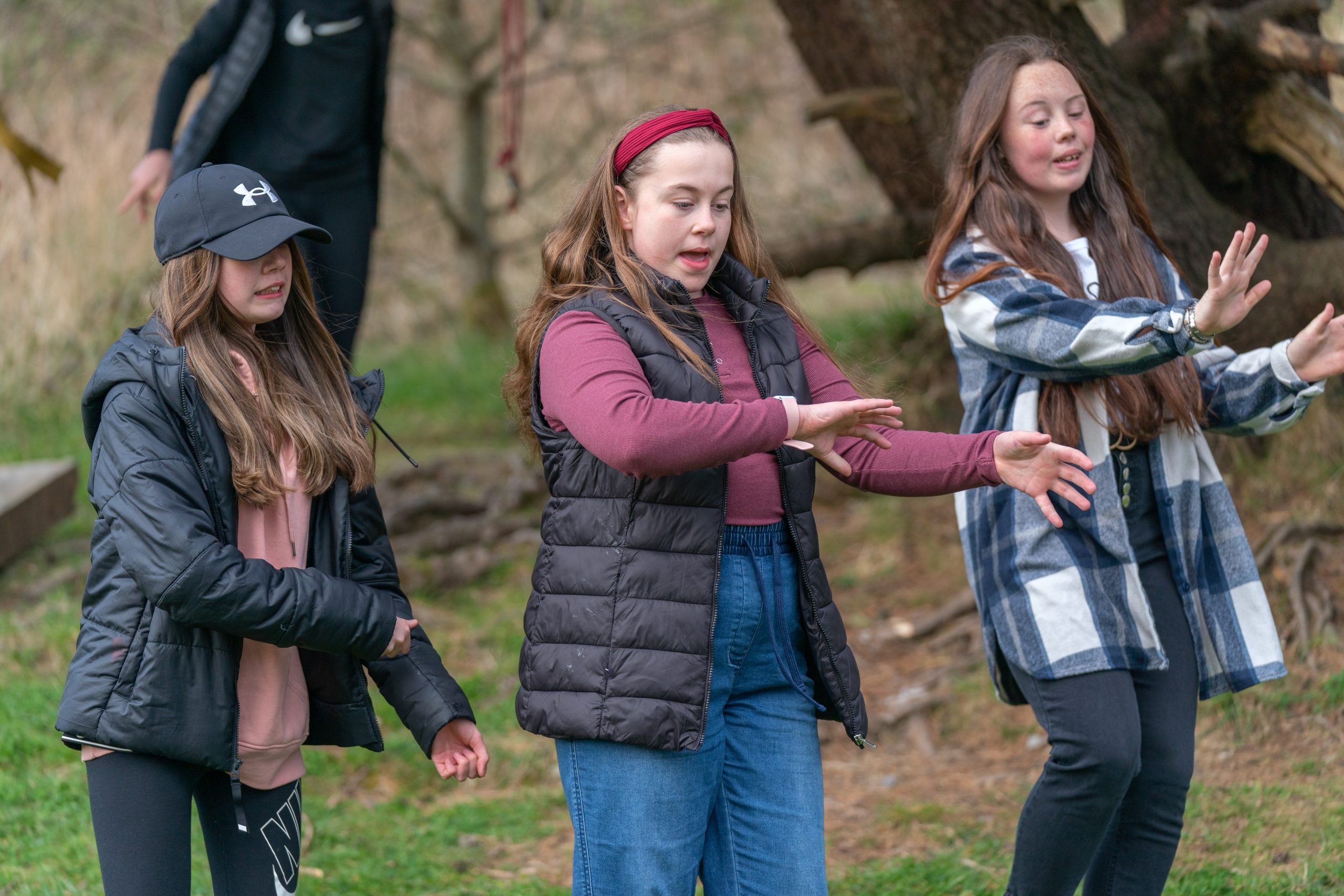
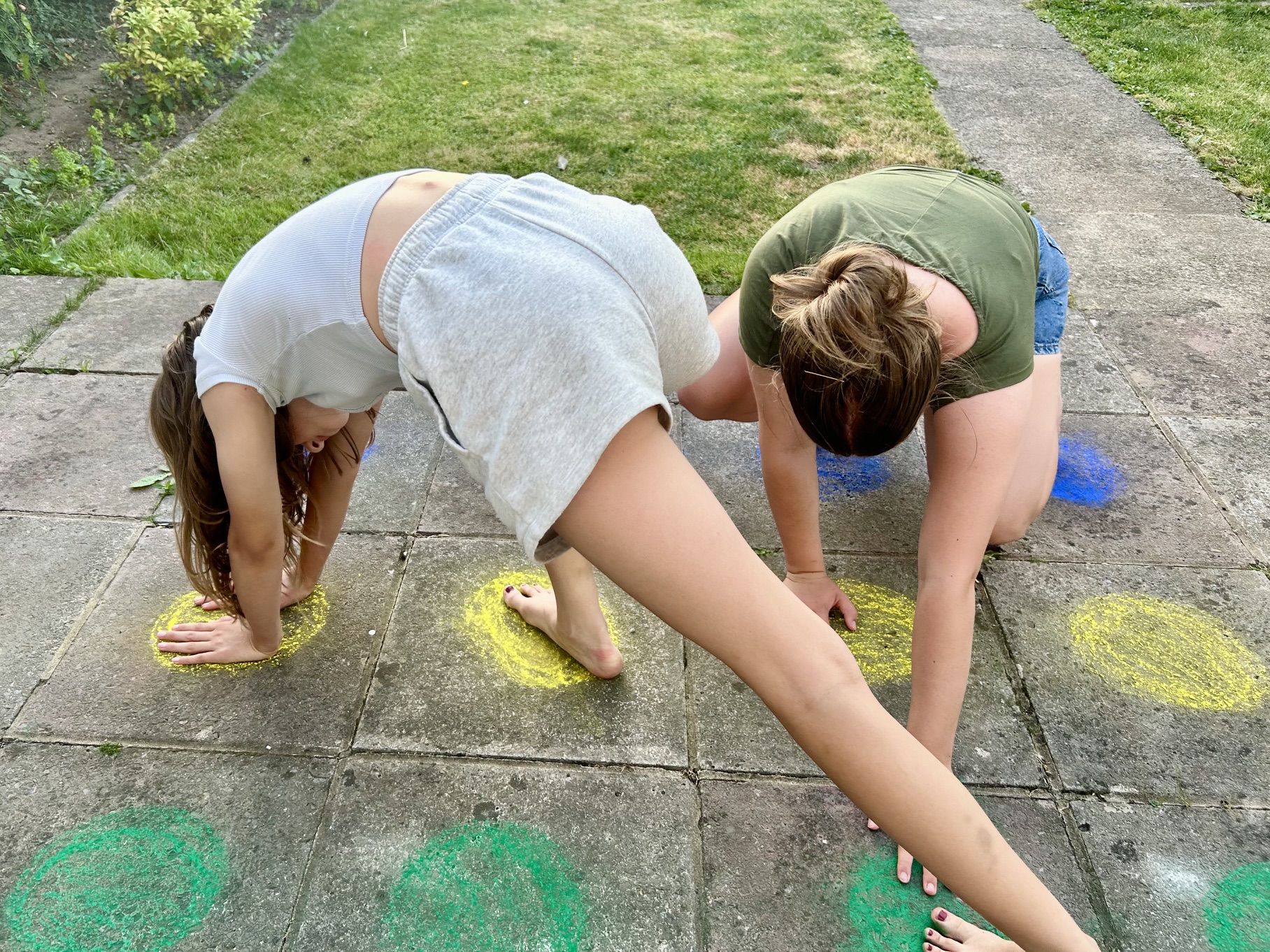
- Physical activity and development: crawling, grasping and rolling develops muscles, coordination and motor skills in babies and toddlers. Young children are often physically active when they play – running, jumping, dancing, climbing, lifting, pushing and pulling. This keeps them fit and helps them develop confidence and self-esteem.
- Social skills and relationships: playing with caregivers and other children helps babies and toddlers to learn about communication, empathy and cooperation. When they play, young children make friends. They also fall out sometimes and learn about social expectations like sharing and taking part.
- Emotional wellbeing and feelings: through play, babies learn to express and manage emotions, building self-confidence and resilience. All children express themselves through play. They often feel happy playing, having fun and letting off steam. Playing is also a way to understand feelings like frustration, annoyance, sadness and satisfaction.
Making time for play
Children naturally know how to play, but they need time, permission and space to do so. A great first step to making play part of every day is to think about how you can parent more playfully. Things you could do include letting your child choose how they play, letting them solve their own problems, and taking a step back so they can experience things for themselves.
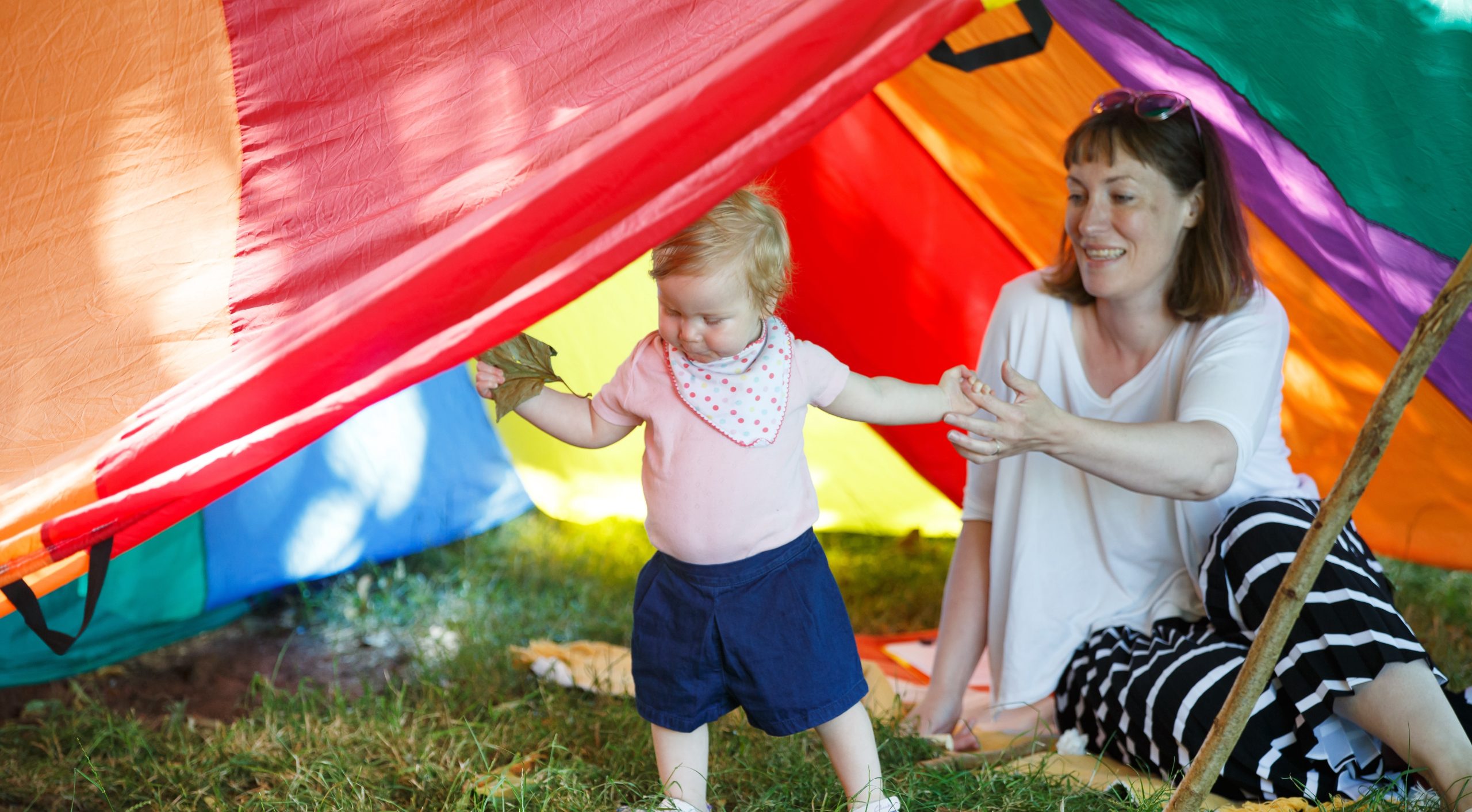
Whatever you do, don’t wait until life is less busy to make time for play. Anything you can do now will have a lasting impact. Spend one more minute playing peek-a-boo. See everything through the eyes of a child – give them the old boxes, the sheets you are about to throw out, or a corner of the garden they can dig in. Pause for a moment longer to marvel at the ducks in the park, to let them climb on a log, or to push the trolley at the supermarket.
Childhood is short, but the impact of having a playful childhood lasts forever.
Further information
Find more top tips for parenting playfully, learn more about the benefits of play, and get play ideas for babies and young children.
If you work with young children and their parents and caregivers, get more information about how you can champion play in the Play Wales Play in the first 1000 days information sheet.